
Creating a Cosy Living Environment: 10 Minimalist Home Décor Tips
1/2/202610 min read
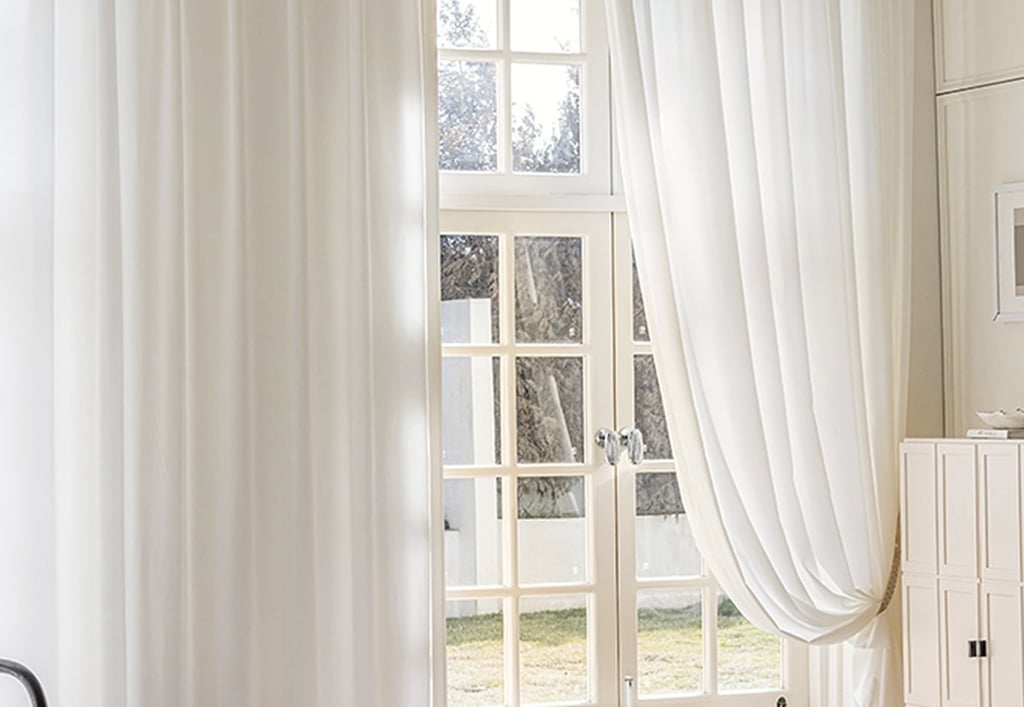

Embrace Neutral Color Palettes
In the realm of minimalist home décor, embracing neutral color palettes is fundamental for creating a serene and spacious living environment. Neutral colors such as white, beige, and soft greys not only enhance the visual appeal of a space but also foster a sense of calm and tranquility. These color choices can significantly impact the atmosphere of a room, providing a soothing backdrop that allows for both relaxation and reflection.
One of the primary advantages of employing neutral tones in minimalist design is their ability to create an illusion of space. Lighter shades reflect more light, making an area feel larger and airier. This effect is especially beneficial for smaller rooms where a nurturing, open ambiance is desired. By painting walls in light colors, you can maximize natural light, ensuring that the living area feels bright and welcoming.
Aside from wall paint, consider the role of furniture in achieving a cohesive look. Upcycling existing furniture with a fresh coat of light-toned paint can breathe new life into pieces while maintaining a minimalist aesthetic. For instance, a wooden coffee table or a bedroom dresser can transform exquisitely under a layer of soft white or light beige. This not only enhances the furnishings but also aligns them with the overall color scheme of the space.
Moreover, strategically using textures can add dimension to a neutral palette. Incorporating materials like soft linens, woven baskets, or lightly textured rugs can create a tactile experience that draws people in without overwhelming the senses. By thoughtfully selecting colors and materials, you can create an environment that exudes peace and comfort, which is the very essence of minimalist design.
Focus on Natural Materials
Incorporating natural materials into your home décor can significantly enhance the living environment, promoting both aesthetic value and well-being. Materials like wood, bamboo, and stone not only introduce organic textures and colors but also provide a sense of warmth and tranquility that synthetic options often lack. This affinity for nature in design aligns with the principles of minimalism, where the focus is on simplicity and functionality.
One of the primary benefits of utilizing natural materials is their ability to improve indoor air quality. Many natural materials, such as certain types of wood, have properties that can absorb pollutants and regulate humidity, contributing to a healthier atmosphere within the home. Furthermore, the aesthetics of these materials evoke a connection to the outdoors, fostering a serene and inviting ambiance.
For those eager to engage in DIY projects, consider crafting small items from natural materials. For instance, building a wooden shelf not only adds functional storage but also serves as a statement piece that enhances the living space. The warm tones and unique grain patterns of wood create visual interest while adhering to minimalist principles. Another practical application is making stone coasters, which can be both decorative and functional. These coasters are easy to assemble, and using materials like slate or marble introduces a touch of elegance and earthiness to your home.
Overall, embracing natural materials in your home décor fosters an atmosphere of calm and comfort. By integrating elements such as wood, bamboo, and stone into your space, you create a living environment that is both aesthetically pleasing and beneficial for your health.
Prioritize Functional Furniture
In the realm of minimalist home décor, the principle of prioritizing functional furniture is vital. Minimalism advocates for a design approach that emphasizes simplicity and usability, making functional furniture a key element in achieving such an aesthetic. This concept promotes items that fulfill multiple roles within a living space, ultimately reducing clutter while enhancing comfort and utility.
One exemplary piece of functional furniture is the sofa bed. Not only does it provide comfortable seating during the day, but it also transforms seamlessly into a bed for overnight guests. This dual functionality helps to maximize space, particularly in smaller living environments where every square foot counts. Similarly, nesting tables serve as another efficient solution. When not in use, they can be neatly stacked together, thus saving space; when needed, they can be spread out to provide an array of surfaces for drinks, books, or decorative items.
Moreover, readers are encouraged to explore DIY furniture options to create customized functional pieces that align with their personal style while adhering to a budget. Upcycling existing furniture or crafting items from reclaimed materials can result in unique, meaningful additions to the home’s décor. For instance, repurposing an old ladder as a bookshelf not only provides storage but also serves as a distinctive decorative element.
When shopping for understated yet stylish furniture, consider items with clean lines and neutral tones that can integrate easily into various design schemes. Functional pieces, such as ottomans that double as storage or coffee tables with built-in compartments, are easily found at budget-friendly retailers. Prioritizing such functional furniture contributes significantly to crafting a serene, clutter-free living environment.
Create Cozy Textures
Incorporating a variety of textures in your home can significantly enhance the warm and inviting atmosphere you may wish to achieve in a minimalist living space. This is essential as minimalism often emphasizes simplicity, which can sometimes lead to a feeling of sterility if not thoughtfully balanced with elements that invite touch and comfort.
Soft textiles, such as linen and cotton, are excellent choices for creating cozy textures without overwhelming the minimalist aesthetic. These materials not only add a tactile dimension to your decor but also offer a refined simplicity that aligns perfectly with minimalist principles. The incorporation of throw blankets, plush cushions, and even sumptuous rugs can enhance the overall comfort of a space while maintaining an understated elegance.
Furthermore, engaging in DIY projects can allow you to seamlessly integrate personal touches while maintaining a minimalist approach. For instance, weaving a simple tapestry from natural fibers can lend a handcrafted quality to your home while serving as an eye-catching focal point. The act of creating such pieces can also foster a sense of connection with your living environment.
Another excellent project is sewing cushion covers with soft fabrics in neutral hues or subtle patterns. These can easily be replaced for a fresh look, allowing you to adapt to the seasons or your evolving tastes without cluttering the space. Pairing these textiles together can enhance comfort and visual interest, making your living area warm and inviting.
Overall, the integration of cozy textures through thoughtful textile choices and creative DIY projects is key to fostering an inviting atmosphere within a minimalist home. Doing so can transform a stark space into one that radiates warmth, comfort, and style.
Maximize Natural Light
Natural light plays a significant role in creating a welcoming and uplifting ambiance, particularly in a minimalist setting. Not only does it enhance the aesthetic appeal, but it can also have a positive impact on one’s mood and productivity. Strategically maximizing natural light in your living space can result in a brighter, more open, and serene environment.
One effective way to increase natural light is by using sheer curtains. These lightweight drapes allow sunlight to filter through while maintaining privacy. Opting for lighter colors can further reflect light into the room, making the space feel airier. Additionally, consider mounting curtains closer to the ceiling to create the illusion of taller windows, which can enhance the overall sense of openness.
Reflective surfaces are another key element in maximizing natural light. Incorporating mirrors into your décor not only serves practical purposes but also helps bounce light around the room. Positioning a large mirror opposite a window can significantly amplify the amount of sunlight that enters the space. Furthermore, furniture with glossy finishes, such as glass or metallic accents, can also contribute to this reflective effect, subtly brightening the surroundings.
For those seeking affordable DIY solutions, repositioning existing mirrors can be a simple yet effective method. Experimenting with angles or using multiple smaller mirrors can also create a unique aesthetic while enhancing light flow. Additionally, consider utilizing light-colored paint on walls and ceilings, as these shades can help to reflect light rather than absorb it.
In conclusion, by consciously incorporating sheer curtains, reflective surfaces, and simple DIY projects, one can dramatically increase the amount of natural light in their home. This not only brightens the space but also aligns perfectly with the minimalist philosophy of creating an inviting and harmonious living environment.
Incorporate Greenery Mindfully
Incorporating greenery into a minimalist home décor can significantly contribute to a calming and serene environment. The presence of indoor plants not only enhances the aesthetic appeal of a space but also offers numerous psychological and physical benefits. Research has shown that plants can improve air quality by filtering toxins, thus promoting a healthier living space. Moreover, the act of caring for plants can evoke a sense of responsibility and connection to nature, which is vital in today’s fast-paced urban life.
When selecting indoor plants for a minimalist home, opt for low-maintenance varieties that are known for their air-purifying capabilities. Some excellent choices include the spider plant, snake plant, and pothos. These plants thrive in various light conditions and require minimal watering, making them perfect for those who may not have a green thumb. Additionally, these hardy plants will seamlessly integrate into your minimalist aesthetic without creating unnecessary clutter.
To further enhance the tranquil atmosphere of your space, consider engaging in DIY projects that centre around plants. For example, a simple plant stand can elevate your greenery, keeping it off surfaces and creating a more curated look. This method not only takes up less visual space but also allows for better utilization of light. Alternatively, crafting a terrarium can be an appealing way to display your plants. A well-designed terrarium is a miniature garden contained in glass, creating a stunning focal point while maintaining the concept of minimalism. This project can provide endless customization opportunities, allowing you to express your creativity whilst staying true to the minimalist philosophy.
Curate Your Decorative Pieces
The principle of 'less is more' holds significant importance in the realm of home décor, particularly for those looking to create a minimalist yet inviting living environment. In essence, this philosophy advocates for the reduction of decorative items to a select few that possess true meaning or relevance, which serves not only to simplify visual appeal but also to evoke personal connections.
When one opts for curated minimalism, the result is often a space that reflects individuality and style without overwhelming the senses. Instead of cluttering surfaces with numerous knick-knacks, homeowners are encouraged to thoughtfully select decorative pieces that resonate on a personal level—be it heirlooms, travel souvenirs, or art pieces that inspire. Such choices allow for a more intentional display, wherein each item contributes to the overall aesthetic and emotional atmosphere of the room.
In practice, there are numerous ways to achieve a curated minimalist look. For example, customizing frames for artwork can elevate even the simplest pieces, ensuring they become focal points rather than mere background accessories. Using materials that complement one another, such as wood and metal in neutral tones, can enhance the cohesion of the display. Additionally, creating a minimalistic showcase with found objects—such as rocks collected from a favorite hiking trip or driftwood gathered at the beach—can further personalize the space while keeping within the principles of minimalist design.
Therefore, rather than succumbing to the temptation of over-decorating, focus on a few significant items that exemplify your personal style and values, ultimately cultivating a homely atmosphere that is both tranquil and aesthetically pleasing.
Establish Zones with Rugs
In contemporary open-plan living spaces, defining distinct areas can be challenging. However, area rugs serve as effective tools for establishing visual boundaries and enhancing comfort within these environments. By strategically placing rugs, one can delineate areas for different activities such as relaxing, dining, or entertaining, adding not only functionality but also aesthetic value to the space.
When opting for rugs in a minimalist decor scheme, it is crucial to choose designs that are understated yet harmonious with the overall aesthetic. Select rugs in neutral tones or simple patterns that complement the existing color palette of your home. Minimalist decor emphasizes simplicity and functionality, making it important to avoid overly intricate designs that could overwhelm the space. Instead, consider options that incorporate subtle textures, such as woven or flat-weave rugs, to add depth without distracting from the decor.
For those who prefer a hands-on approach, creating your own rug can be a rewarding DIY project. Use natural materials like cotton or wool, and experiment with macramé or weaving techniques to design a piece that reflects your unique style while adhering to the minimalist principles. Alternatively, layering existing textiles is another effective method to enhance rug spaces. By placing smaller rugs atop larger ones or combining contrasting materials, you can create warmth and texture while maintaining a clean and organized look.
Overall, incorporating area rugs into an open layout is an impactful way to define zones, provide comfort, and contribute to a cohesive minimalist design. Careful selection and thoughtful arrangement of rugs can significantly enhance the living environment, making it feel more intimate and inviting.
Mindful Layout and Flow
Creating a cosy living environment requires more than just selecting aesthetically pleasing décor; the arrangement of furniture plays a critical role in enhancing both comfort and functionality in a space. Thoughtful room layouts can greatly influence how we interact with our surroundings, making them feel more inviting and conducive to engagement. The right layout not only promotes ease of movement but also facilitates conversation and connection among those who inhabit the space.
When considering a mindful layout, begin by assessing the natural flow of movement within the room. Identify the entry points and high-traffic areas to ensure that furniture does not obstruct pathways. A well-planned layout allows for an effortless transition from one area to another, thereby enhancing the overall comfort of the living environment. Arranging furniture in a way that encourages conversation—such as placing chairs and sofas in a circular formation—can also create a warm and inclusive atmosphere.
Another effective strategy is to create designated zones within larger spaces. For instance, use rugs to delineate a reading nook or an entertainment area, which can help organize the room while maintaining an open feel. This zoning technique fosters intimacy within the space and allows different activities to coexist harmoniously. Additionally, consider the proportions and scale of furniture; oversized pieces in a small room can make it feel cramped, while appropriately scaled furniture can enhance the sense of spaciousness.
Encouraging readers to experiment with room layouts can offer fresh perspectives on their living spaces. Simple DIY rearrangements, such as swapping the positions of a sofa and an armchair or repositioning a coffee table, can yield surprising results. Through these small changes, one can discover new ways to enjoy their home, making it not only more functional but also infinitely more inviting. By adopting a mindful approach to layout and flow, individuals can significantly improve their living experience.
Art as a Unifying Element in Minimalist Home Décor
To create a truly cohesive minimalist theme within your living space, the selection of art plays a critical role. Art not only serves as a visual focal point but also enhances the overall ambiance of a room by reinforcing the simplicity and elegance that minimalism embodies. When choosing art pieces, consider adopting a limited color palette or a consistent style that resonates with the minimalist ethos. This approach ensures that your art complements the existing décor without overwhelming the senses.
For instance, opting for monochromatic art pieces or those featuring subtle textures can add depth to your space while maintaining a clean aesthetic. Additionally, selecting works that speak to personal sentiments can infuse warmth into your home without contributing to visual clutter. By integrating art that aligns with a cohesive theme, you create a harmonious environment that feels curated and intentional.
Furthermore, DIY art projects can be a cost-effective and enjoyable way to personalize your minimalist décor. Consider creating minimalist prints that focus on geometric shapes or soft pastels, which can be easily framed and displayed. You can also explore framing cherished photographs, particularly those that capture tranquil moments or serene landscapes. These personalized art pieces not only evoke a sense of warmth but also help you retain a clutter-free space, as they can be displayed strategically to enhance rather than overpower the room.
Ultimately, the integration of art into your minimalist home décor should reflect your personal tastes while maintaining simplicity. By selecting pieces that encapsulate your style and evoke comfort, you will create an inviting and tranquil living environment that truly feels like home.